Exploring Mathematical Thinking Obstacles through the Lens of Self-Efficacy
DOI:
https://doi.org/10.35706/sjme.v10i2.13385Kata Kunci:
Hambatan Berpikir, Representasi Matematis, Efikasi Diri, Siswa Sekolah DasarAbstrak
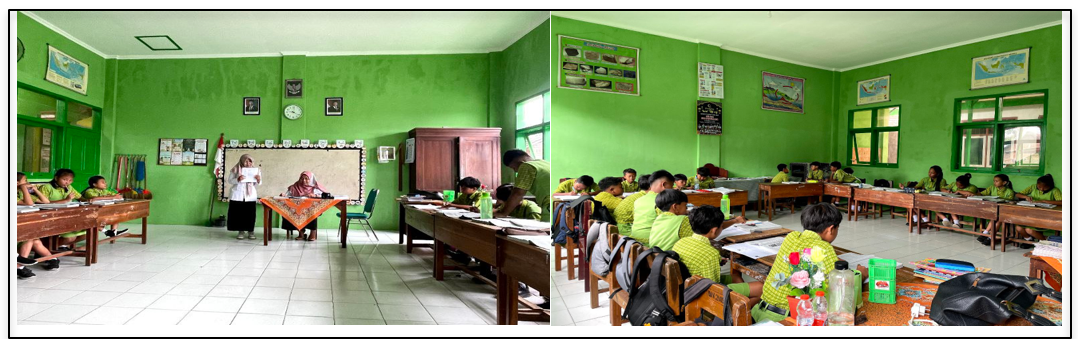
This study investigates elementary students’ mathematical thinking obstacles through the lens of self-efficacy in mathematics learning. Adopting a qualitative descriptive design, data were gathered from non-participant classroom observations, open-ended interviews, Likert-scale self-efficacy questionnaires, and document analysis. Participants included one fifth-grade teacher and six fifth-grade students selected purposively. Data analysis followed the stages of data reduction, data display, and conclusion drawing. The findings reveal that students’ self-efficacy levels can be classified into high, moderate, and low categories, each reflecting distinct patterns of mathematical thinking. Students with high self-efficacy exhibited persistence, confidence, and effective emotional regulation when engaging with mathematical problems. Those with moderate self-efficacy tended to rely heavily on prior learning experiences and familiar procedures. In contrast, students with low self-efficacy demonstrated limited confidence, frequent hesitation, and a tendency to disengage when facing challenging tasks. Four types of mathematical thinking obstacles were identified: instrumental, conceptual, didactical, and epistemological. Among these, didactical obstacles emerged as the most dominant, particularly students’ reliance on teacher-provided examples and difficulties in independently initiating problem-solving processes. Overall, the findings suggest a clear association between higher levels of self-efficacy and reduced mathematical thinking obstacles. The study highlights the importance of integrating self-efficacy–enhancing strategies into mathematics instruction to foster more autonomous, resilient, and effective mathematical thinking among elementary students.
Unduhan
Referensi
Ananda, E. R., & Wandini, R. R. (2022). Analisis Kemampuan Literasi Matematika Siswa Ditinjau dari Self Efficacy Siswa. Jurnal Obsesi : Jurnal Pendidikan Anak Usia Dini, 6(5), 5113–5126. https://doi.org/10.31004/obsesi.v6i5.2659
Asrulla, A., Rosadi, K. I., Jeka, F., Saksitha, D. A., & Wahyuni, D. (2025). Kontribusi Aspek Sosial dan Budaya dalam Aplikasi Kebijakan Pendidikan Nasional Indonesia. Jurnal JIPDAS (Jurnal Ilmiah Pendidikan Dasar), 5(1), 404–423. https://doi.org/10.37081/jipdas.v5i1.2579
Azka, F., Isnarto, I., Junaedi, I., Zaenuri, Z., & Walid, W. (2024). Analisis Kemampuan Berpikir Kritis dan Hambatan Belajar Siswa Kelas XI Materi Translasi. Jurnal Ilmiah Pendidikan Matematika Al Qalasadi, 8(1), 70–81. https://doi.org/10.32505/qalasadi.v8i1.8400
Bandura, A. (1994). Self-Efficacy (Vol. 4). Academic Press. http://www.des.emory.edu/mfp/BanEncy.html
Fefy Gusmarlia. (2025). Pentingnya Konsep Dasar Matematika di Sekolah Dasar. Jurnal Literasiologi Literasi Kita Indonesia, 14, 1–7. https://doi.org/10.47783/literasiologi.v9i4
Hidayat, A. (2025). Epistemological Obstacles in Geometry within the Context of Gen Z Digital Culture. Journal of Society and Development, 5(2), 71–78. https://doi.org/10.57032/jsd.v5i2.336
Hikmah, N., & Alzhura Mufqi, A. (2025). Upaya Mahasiswa Meningkatkan Self-Efficacy dalam Mengatasi Kecemasan Menyelesaikan Tugas Akhir. Jumper: Journal of Educational Multidisciplinary Research, 4(2), 131–147. https://doi.org/10.56921/jumper.v4i2.290
Lina, Rumiati. (2024). Kemampuan Pemecahan Masalah Matematis Siswa Kelas VIII Pada Materi Teorema Pythagoras Berdasarkan Self-Efficacy. Jurnal Jendela Pendidikan, 4(04), 407–416. https://doi.org/10.57008/jjp.v4i04.1039
Luthfiyah, I., Effendy Simamora, R., & Widia Rahayu, S. (2024). Eksplorasi Proses Pemecahan Masalah Matematika Siswa Kelas 8 Sekolah Menengah Pertama dalam Menyelesaikan Soal Cerita. Mathematics Education and Application Journal (META, 6(1), 30–47. https://doi.org/10.35334/meta.v6i1.5427
Maharani, R. D., Dasari, D., & Nurlaelah, E. (2022). Analisis Hambatan Belajar (Learning Obstacle) Siswa SMP pada Materi Peluang. AKSIOMA: Jurnal Program Studi Pendidikan Matematika, 11(4), 3201. https://doi.org/10.24127/ajpm.v11i4.6214
Muhammad Arvi., Chandra., & Syam, Salmaini Safitri. (2025). Kemampuan Berpikir Komputasional di Sekolah Dasar Kelas 4 Pembelajaran Matematika. Algoritma : Jurnal Matematika, Ilmu Pengetahuan Alam, Kebumian Dan Angkasa, 3(3), 108–121. https://doi.org/10.62383/algoritma.v3i3.511
Muhtadin, A., Arista Rizki, N., Insan Ramadhani, N., & Is Laisa, N. (2024). Bimbingan Teknis (Bimtek) Pengembangan Kartu Soal Numerasi Berstandar TIMSS dan PISA bagi Calon Guru / Guru Matematika (Vol. 5, Number 4). https://doi.org/10.53696/27214834.1002
Mustofa, R. D., & Danuri, D. (2025). Self-Efficacy dan Strategi Pemecahan Masalah Matematika Siswa Sekolah Dasar: Studi Kasus di Kelas IV. Pedagogik Journal of Islamic Elementary School, 8(3), 1279–1294. https://doi.org/10.24256/pijies.v8i3.8710
Nur Wahyuni, Indah Afrianti, Fadlurrahman, Afrizal, & Isratul Aini. (2025). Pengalaman Siswa dalam Menghadapi Pengaruh Lingkungan Belajar Terhadap Kemampuan Berbicara Bahasa Inggris: Pendekatan Kualitatif. Jurnal Pendidikan Dan Pengajaran, 3(1), 150–161. https://doi.org/10.54832/jupe2.v3i1.568
Nurmala, Putra, A. E., & Luviadi, A. (2025). Implementasi Metode Quantum Teaching untuk Membentuk Akhlak Peserta Didik pada Mata Pelajaran Al-Islam. In Jurnal Inovasi, Evaluasi, dan Pengembangan Pembelajaran (JIEPP) (Vol. 5, Number 2). https://doi.org/20.54371/jiepp.v5i2.844
Safitri, A. V., Christiana, E., Dewi, A. K., & Habsy, B. A. (2025). Hubungan Self Efficacy dengan Kemandirian Belajar pada Peserta Didik SMP. https://doi.org/10.54371/jiip.v8i6.8055
Salsa Bella, F., Amriani, N., Annisa, N., Hikma, N., & Abira, A. (2025). Hambatan Efektivitas Pembelajaran Matematika Berbasis Observasi di Sekolah Dasar: Studi Kasus Kesulitan Pemahaman Siswa dan Strategi Penanganan di Kelas IV. Jurnal Ilmiah Pendidikan Dasar, 5(4). https://doi.org/10.37081/jipdas.v5i4.4357
Sardin, S., Kusumah, Y. S., & Martadiputra, B. A. P. (2025). Membangun Percaya Diri Siswa dalam Matematika: Tinjauan Sistematis Model Pembelajaran untuk Meningkatkan Self-Efficacy. Juring (Journal for Research in Mathematics Learning), 8(1), 085. https://doi.org/10.24014/juring.v8i1.35431
Tarmizi, P., Susanti, A., & Darmansyah, A. (2025). Learning Obstacles pada mendesain pembelajaran Pendidikan Pancasila mahasiswa pendididikan guru sekolah dasar. Borobudur Educational Review, 5(1), 149–161. https://doi.org/10.31603/bedr.12660
Wahyuni, D., & Budi Antoro. (2025). Eksplorasi Pola Berpikir Kreatif Siswa dalam Pemecahan Masalah Matematika Berbasis Computational Thinking. Jurnal Ilmiah Pendidikan Matematika Al Qalasadi, 9(1), 46–61. https://doi.org/10.32505/qalasadi.v9i1.11129
Yanto Zebua, J., Zega, Y., Niat Telaumbanua, Y., Studi, P., Matematika, P., & Nias, U. (2024). Analisis Kemampuan Berpikir Kritis Siswa dalam Menyelesaikan Soal Matematika. https://doi.org/10.58230/27454312.1212
Zamhariroh, N. M., & Muhid, A. (2025). Meningkatkan Motivasi Belajar Siswa Melalui Integrasi Self-Efficacy Bandura dan Tawakal Ibnu Qayyim. An-Nuha: Jurnal Pendidikan Islam, 5(2), 175–193. https://doi.org/10.24036/annuha.v5i2.615
Unduhan
Diterbitkan
Cara Mengutip
Terbitan
Bagian
Citation Check
Lisensi
Hak Cipta (c) 2026 Galuh Ajeng; Dian Septi Nur Afifah, Maylita Hasyim, Diesty Hayuhantika, Silfia Hayuningrat

Artikel ini berlisensiCreative Commons Attribution-ShareAlike 4.0 International License.
Hak cipta dilindingi undang-undang berdasarkan Undang-undang Nomor 28 Tahun 2014 tentang Hak Cipta. Dilarang memperbanyak isi jurnal ini, baik sebagian maupun seluruhnya dalam bentuk apapun tanpa izin tertulis dari SJME (Supremum Journal of Mathematics Education) sebagai pemegang Hak Cipta terhadap seluruh isi dari jurnal tersebut.
Penulis yang menerbitkan jurnal ini setuju dengan persyaratan berikut:
- Penulis mempertahankan hak cipta dan memberikan hak jurnal tentang publikasi pertama dengan karya yang secara bersamaan dilisensikan di bawah Lisensi Atribusi Creative Commons yang memungkinkan orang lain membagikan karya tersebut dengan pengakuan dari karya penulis dan publikasi awal dalam jurnal ini.
- Penulis dapat memasukkan pengaturan kontrak tambahan yang terpisah untuk distribusi non-eksklusif dari versi terbitan jurnal tersebut (misalnya, kirimkan ke repositori institusional atau publikasikan dalam sebuah buku), dengan sebuah pengakuan atas publikasi awalnya di Jurnal ini.
- Penulis diizinkan dan didorong untuk memposting pekerjaan mereka secara online (misalnya di repositori institusional atau di situs web mereka) sebelum dan selama proses penyampaian, karena dapat menyebabkan pertukaran yang produktif, serta kutipan karya yang diterbitkan sebelumnya dan yang lebih lama.